Easy Korean Recipes for Beginners (No Special Ingredients Needed)
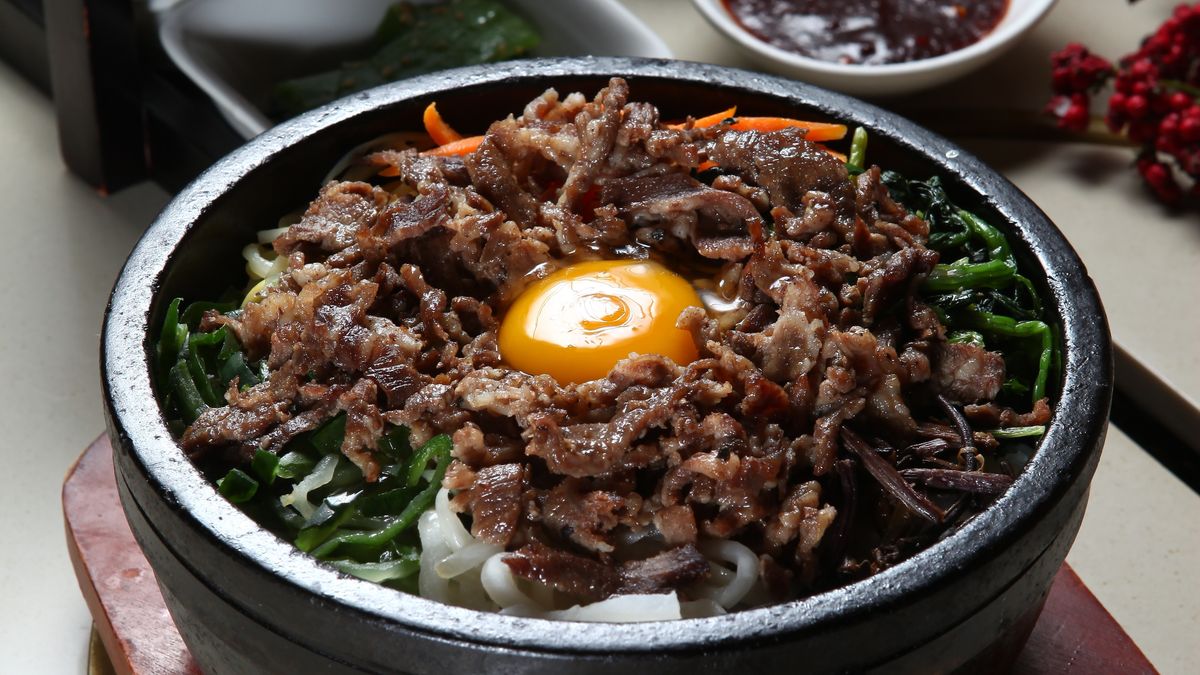
Photo by minchephoto photography via Pexels
Korean food looks intimidating and mostly isn't. A handful of dishes are genuinely beginner-proof, and once you own two or three pantry staples, you can make Korean food at home any night of the week. Here's where to start.
The only "special" ingredients you need
Buy these once and you're set for dozens of dishes: gochujang (Korean chilli paste), soy sauce, sesame oil, and ideally gochugaru (chilli flakes). That's it. Everything below leans on those plus normal supermarket ingredients. If a recipe calls for something rare, you can almost always skip or swap it as a beginner.
Easiest Korean recipes to make at home
- Bibimbap — a rice bowl topped with vegetables, an egg, and a spoon of gochujang. The most forgiving Korean dish there is; use whatever veg you have. Recipe.
- Tteokbokki — chewy rice cakes in a sweet-spicy sauce. Few ingredients, big payoff, ready fast. Recipe.
- Kimbap — Korean seaweed rice rolls. A little rolling practice, but no cooking skill required. Recipe.
- Japchae — stir-fried glass noodles with vegetables. Tastes fancy, is actually simple. Recipe.
- Korean fried chicken — crispy, glazed, better than takeout. A weekend win. Recipe.
- Sundubu-jjigae — soft tofu stew that comes together in one pot. Recipe.
More simple Korean dishes when you're ready
Once the starters feel easy, these simple Korean dishes are the natural next step — all in our free recipe collection with exact amounts and beginner-proof steps: kimbap (Korea's answer to the packed lunch), japchae (sweet-savoury glass noodles), sundubu jjigae (the bubbling soft-tofu stew), and hotteok (molten sugar pancakes — worth every warning). Easy Korean recipes stop feeling "easy for a recipe" and just become dinner surprisingly fast.
Three beginner tips that make it click
- Prep before you heat. Korean cooking moves fast once the pan is hot. Chop and measure everything first.
- Balance the four flavours. Most Korean sauces are a balance of spicy, sweet, salty and savoury. Taste as you go and nudge one up if it feels flat.
- Start with rice. A rice cooker (or a reliable pot method) removes the one thing beginners stress about, so you can focus on the dish.
Every recipe above is written in plain, first-timer-friendly steps. Browse the full set in our free recipe collection — no paywall, no signup.
Quick answers
What are the easiest Korean recipes for beginners?
Bibimbap, tteokbokki, japchae, kimbap, sundubu-jjigae and Korean fried chicken are the most beginner-friendly — they're forgiving, use mostly everyday ingredients, and don't require advanced technique.
How do I make Korean food without special ingredients?
Buy just gochujang, soy sauce, sesame oil and chilli flakes once — they cover most dishes. Beyond those, Korean recipes mostly use normal supermarket vegetables, rice, eggs and noodles, and rare items can usually be skipped or swapped.